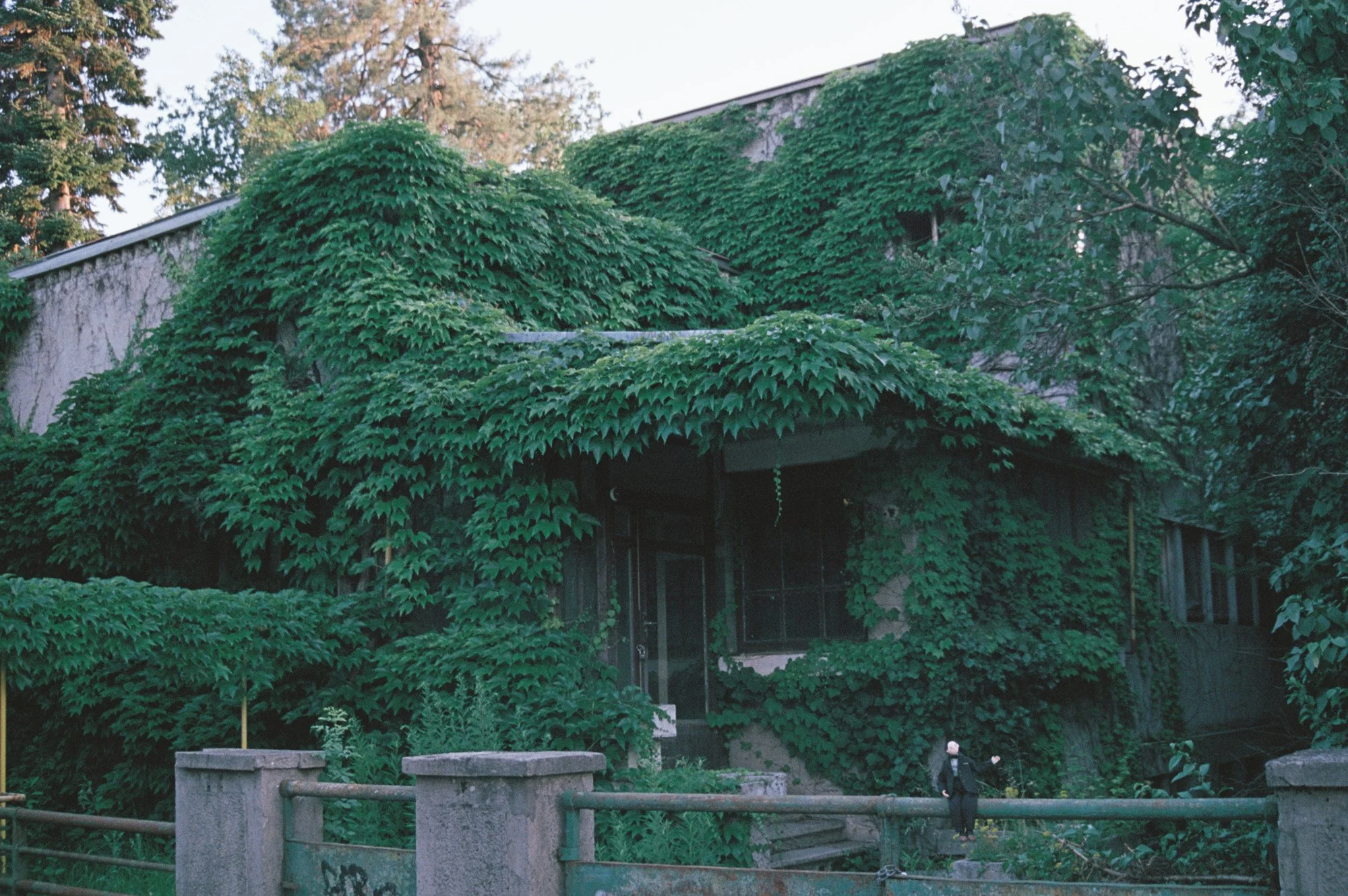
The City becomes our Playground
The photo sessions for our project have officially begun, and our characters have finally stepped out onto the streets! For the past few weeks, we have been exploring the urban space, documenting the meeting between our crafted toys and the modernist heritage around us through photography. Today I’ll share a bit of how we chose our routes, the surprises we experienced, and the surprising challenges of shooting on film.
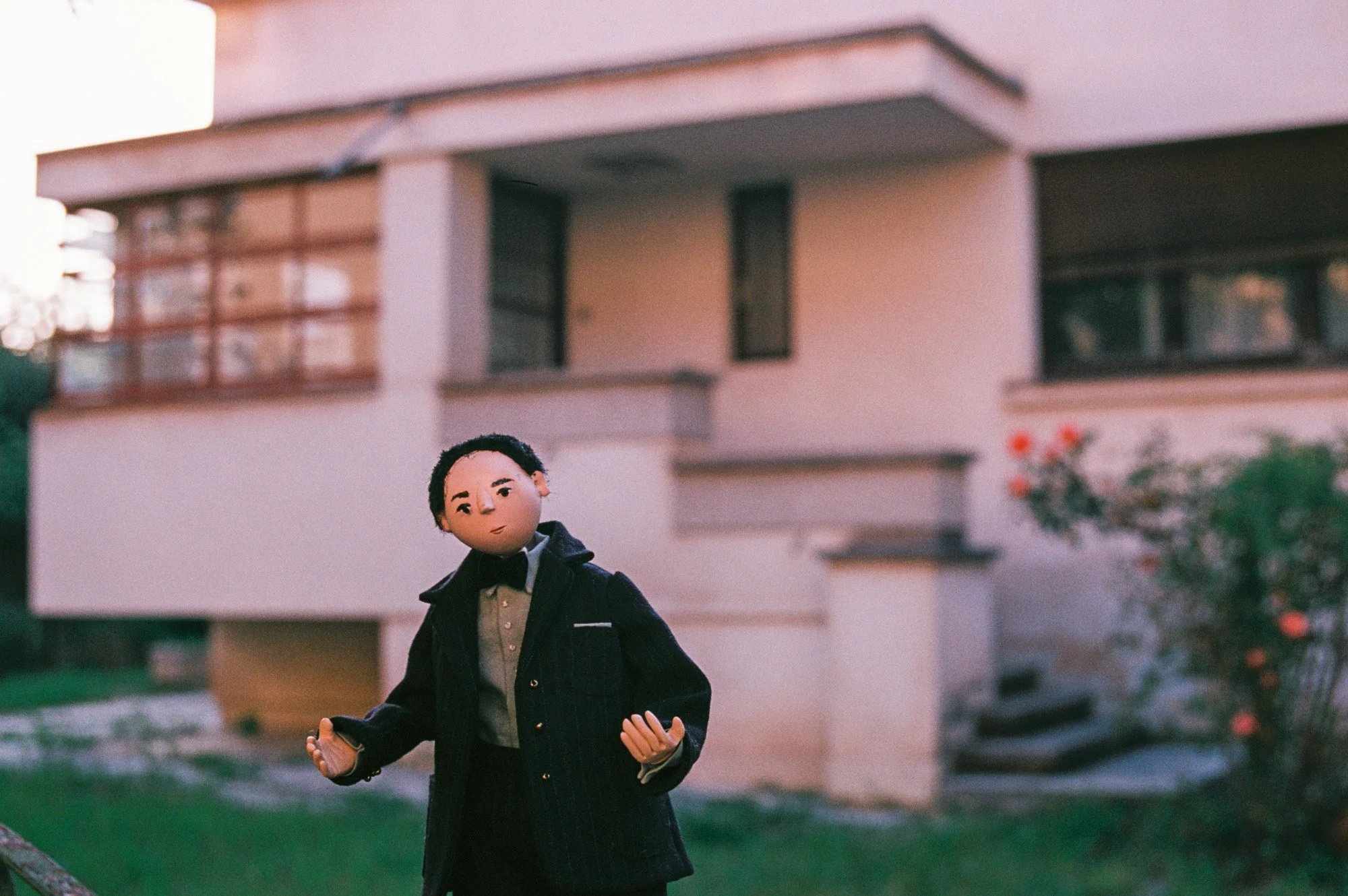
The Foundation: Books, Archives, and Hidden Modernism
Before placing a single character in front of the lens, we immersed ourselves in research. We surrounded ourselves with books on the modernist and avant-garde movements in Romania and France, leafing through monographs dedicated to pioneers like Marcel Iancu, Robert Mallet-Stevens, Eileen Gray, Goldstein Maicu, Charlotte Perriand to name a few while studying visual archives of both Paris and Bucharest (and regional architecture as well!).
That is also how we ended up in Câmpina. It might seem like an unusual choice, but during our research, we discovered a brilliant initiative focused on mapping hidden modernist heritage in Câmpina as a pilot project. At Micul Haos, our approach to heritage is highly subjective and poetic. We create mediator-characters so we can look critically at modernist heritage, aiming to bring young spectators into a critical and poetic understanding of the space that surrounds us. However, this creative research is deeply reliant on the rigorous research conducted by historians and architects. Finding a project that brings the architectural gems of a smaller Romanian city to light was incredibly inspiring, and we sincerely hope to see similar initiatives expand to other cities.
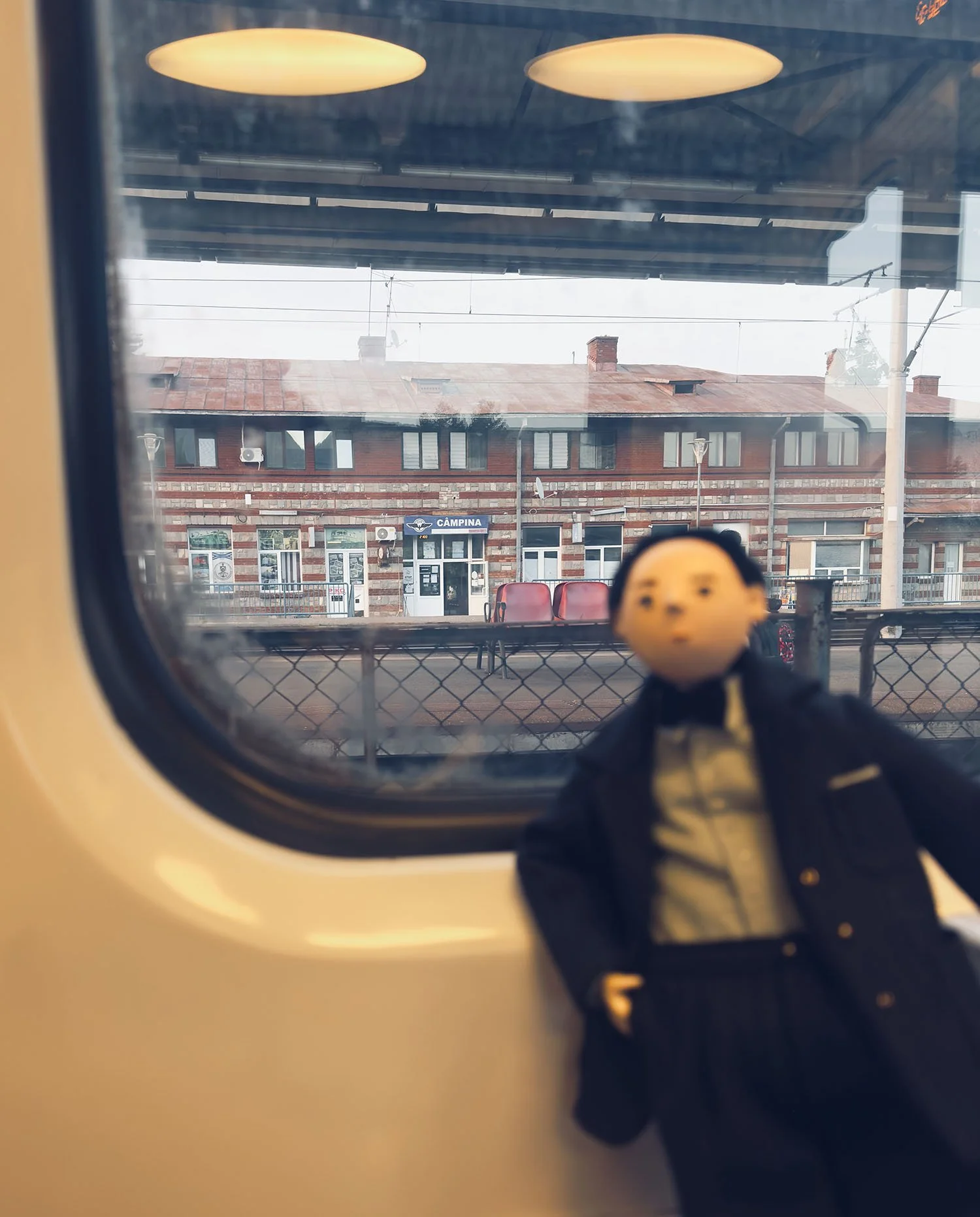
The train to Câmpina was our first ride and destination.
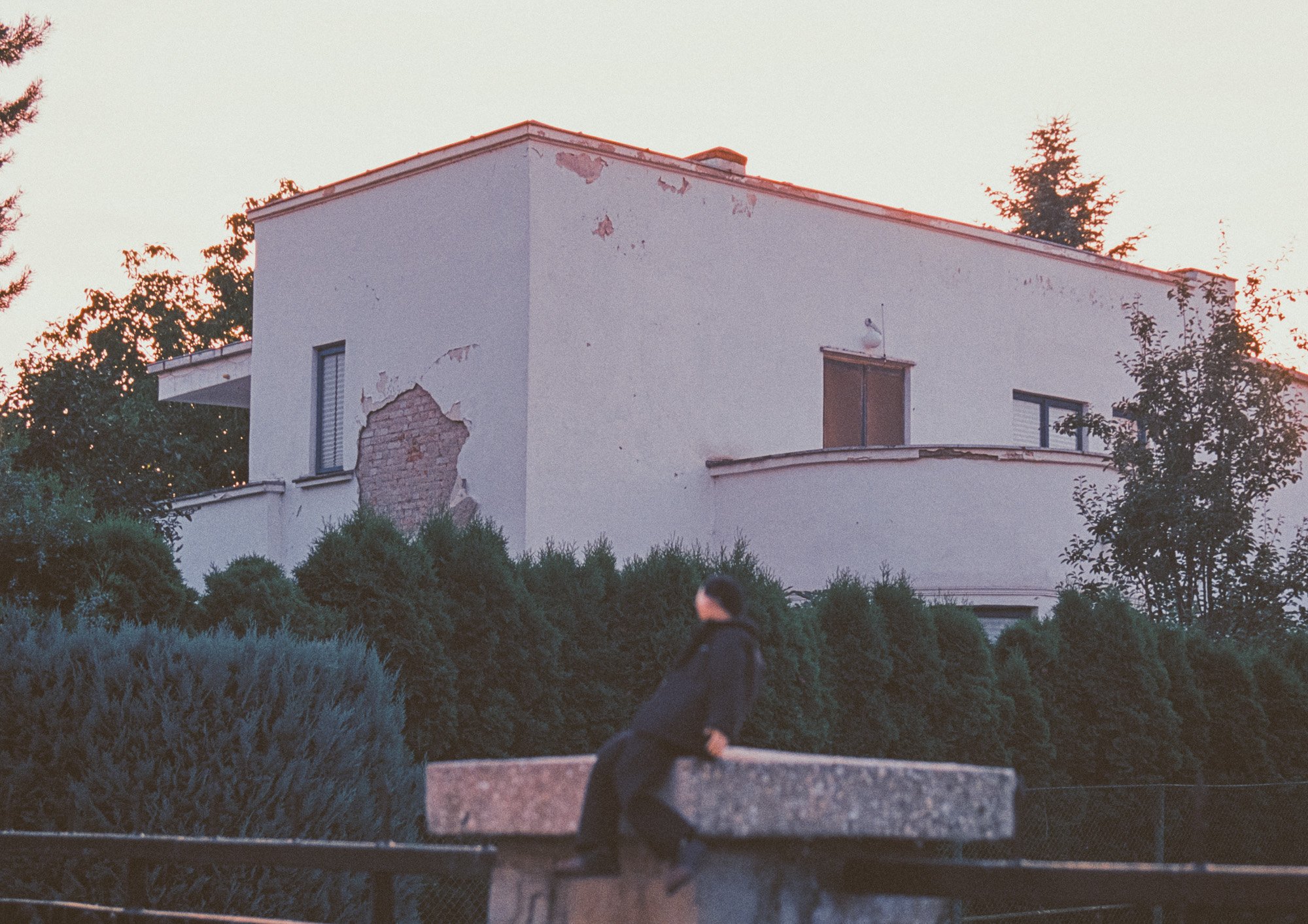
Some modernist villas in Câmpina could only be experienced from afar.
But our research wasn't confined to the pages of books or digital archives. We discovered a lot of inspiration simply by walking through the city and noticing the little details, the beautiful continuous lines, the bold geometric shapes, and the elegant, engraved names of the architects on the buildings themselves (some of these engravings have sadly been erased). It was exactly this kind of attentive wandering that led us to the deeply moving story of the architect Burah (Boris) Zilberman. But more about him in a future post.
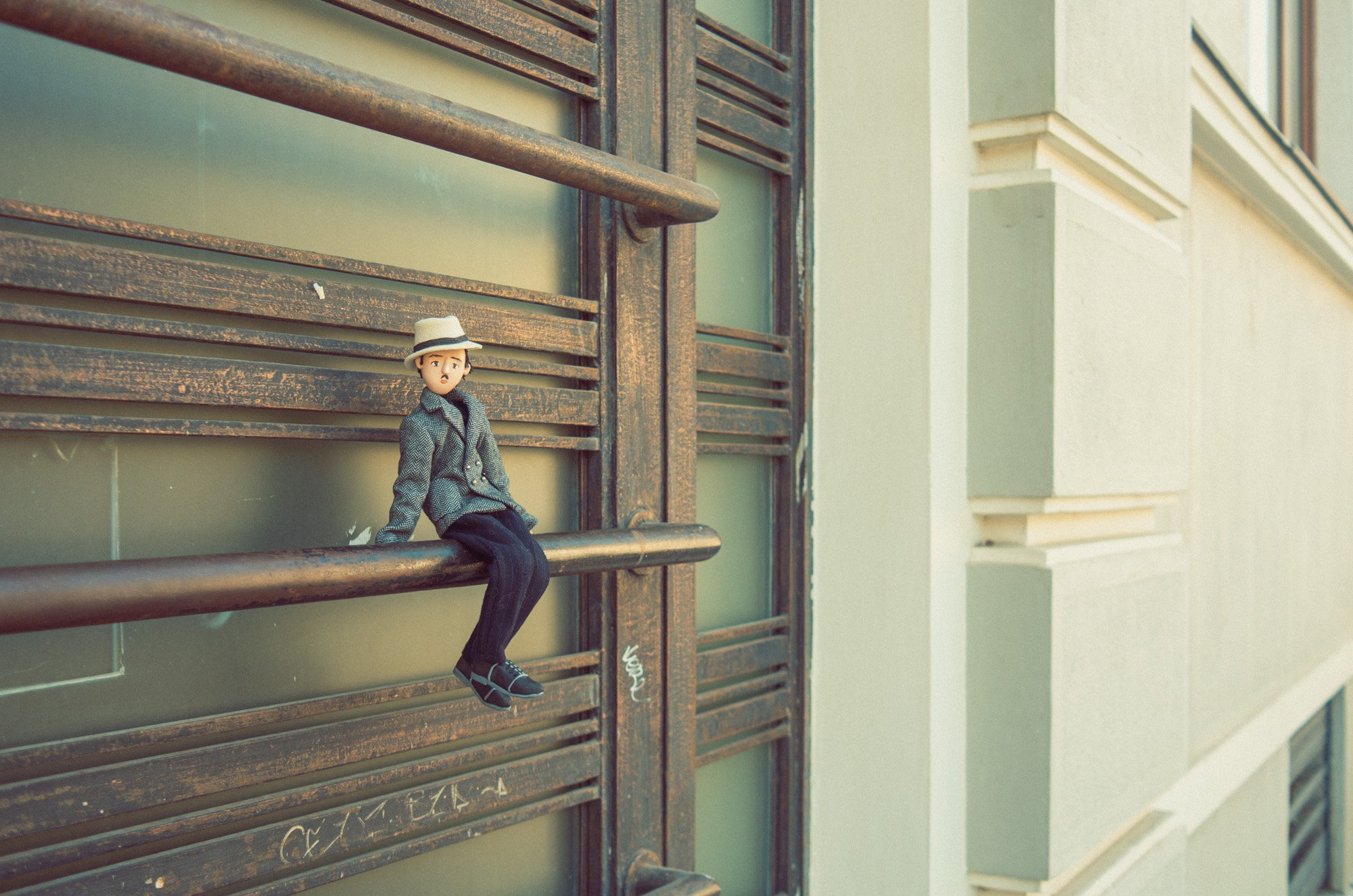
Entrance details on an Art Deco building in Sfântul Ștefan square in Bucharest.
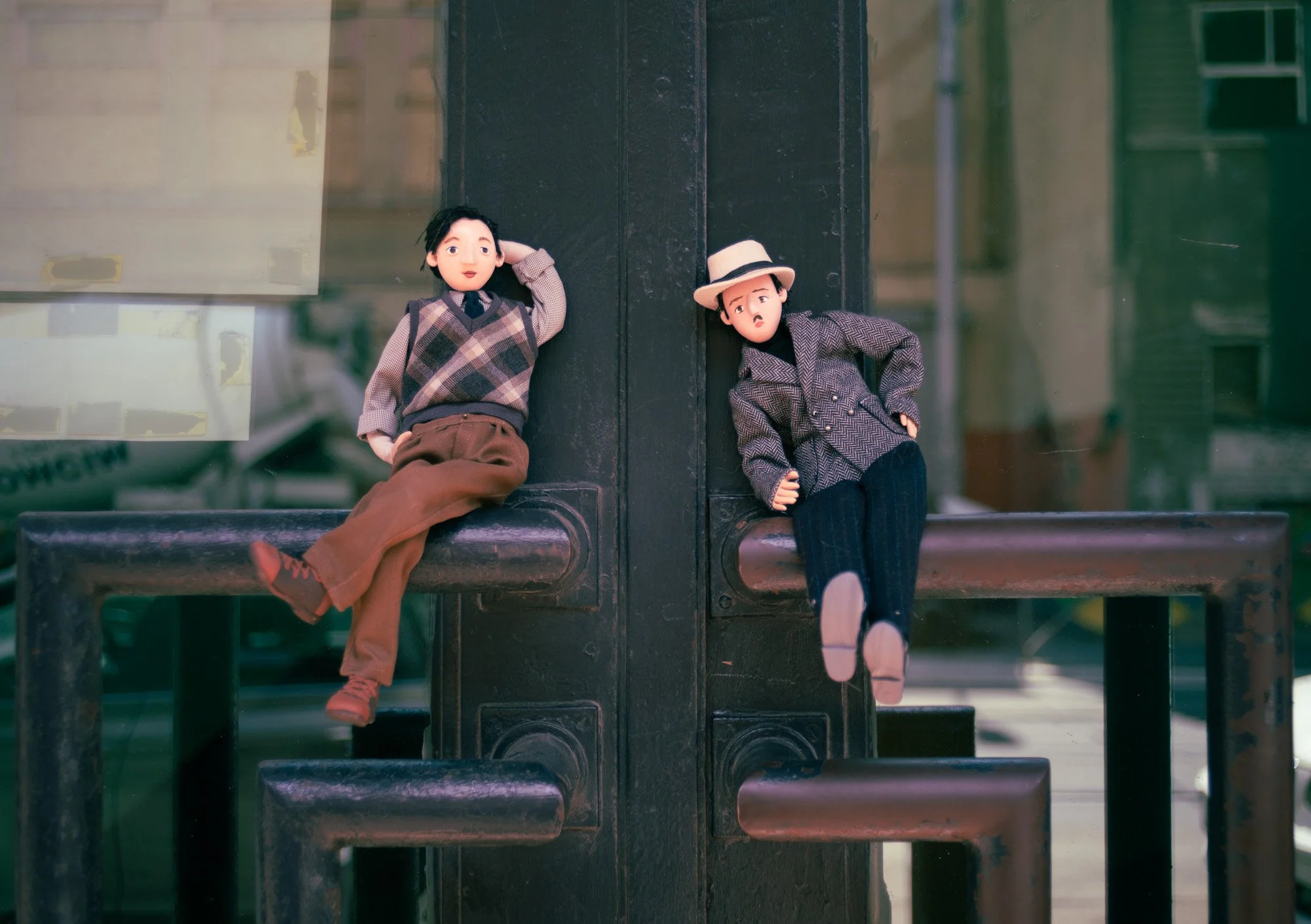
In the Footsteps of Marcel Iancu: From Dadaism to Lived Space
While in Câmpina we explored hidden gems, in Bucharest we first set out on the trail of Marcel Iancu. We won't be able to do this exhaustively with every architect, but here, we felt compelled to physically walk the streets and witness the current state of the buildings he left behind. The reality on the ground is quite diverse. We encountered quite a contrast in how these buildings exist today, ranging from properties sadly left to collapse under the weight of time, to structures that are beautifully maintained and some that were quite changed. Some of them have received monument status in the last 20 years or so, which is good.
Visiting all these buildings one after another allowed us to intimately understand how Iancu conceived space. We could feel the volumes and, most importantly, observe how his buildings negotiate the delicate boundary between private intimacy and the public square.
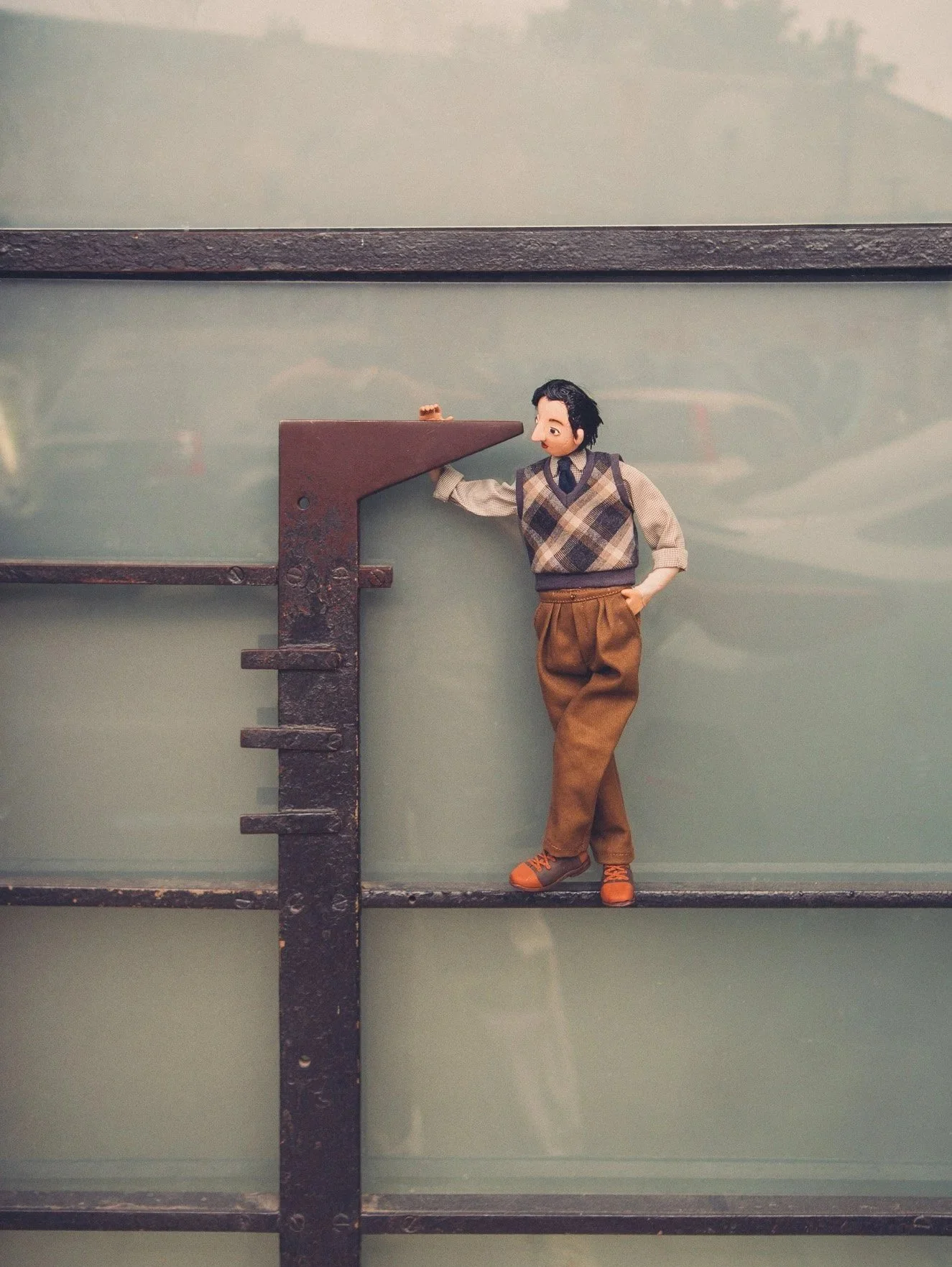
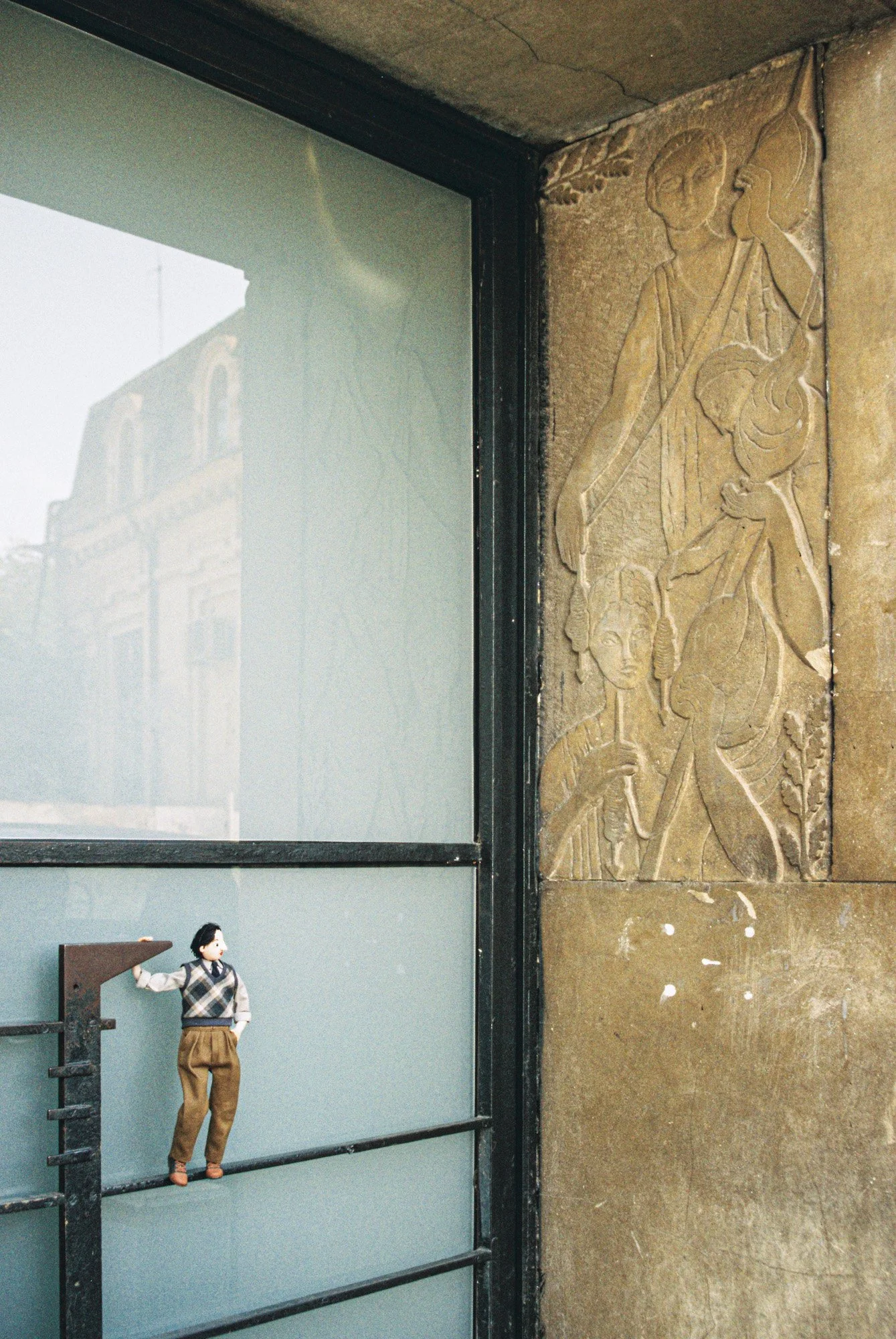
Detail at the entrance of the apartment block on Ștefan Luchian Street
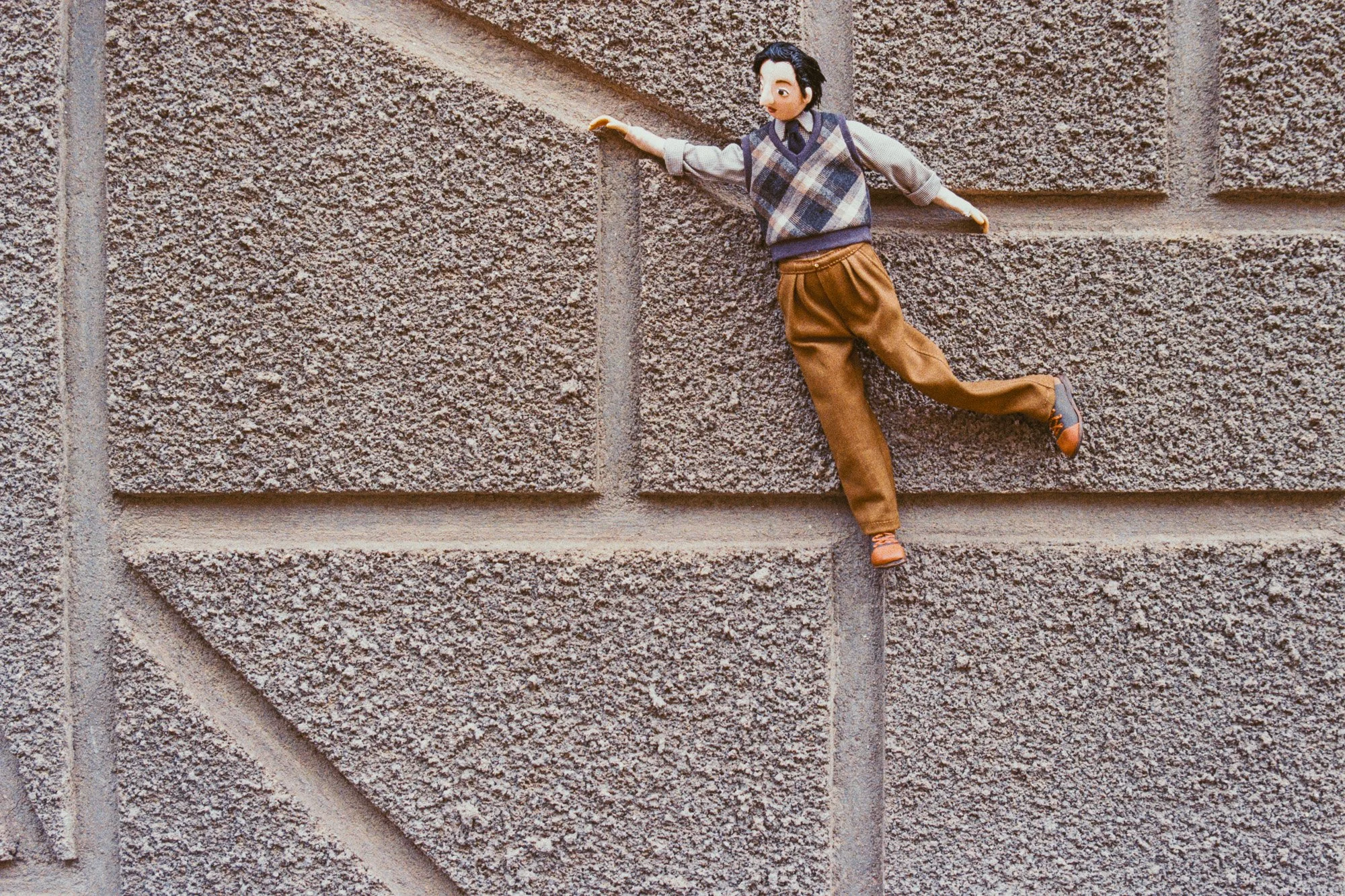
The playground in the details
Even if some of these buildings have been altered beyond recognition, there are still details as reminders of of their original concepts.
Iancu was a brilliant architect, a pioneer of the early 20th-century avant-garde and a founder of the Dada movement. His Bucharest buildings carry that revolutionary energy and his complex nature. He fled persecution in 1941 and founded the utopian artists' colony of Ein Hod in Israel (with its own complex history) and was not celebrated in Romania for many decades. This duality is central to how we approach our work at Micul Haos. Our mediator-characters do not look up to these architects as flawless, solitary heroes, nor do they treat these modernist buildings as pristine altars. Instead, they interact with an inherited reality. The toys step into these concrete frames trying to relate to a space that is heavily layered, bearing both visionary brilliance and uncomfortable historical truths. They are here to question, to touch, and to understand the environment we've been left with, acting as a bridge to a deeper, more critical comprehension of the spaces that surround us.
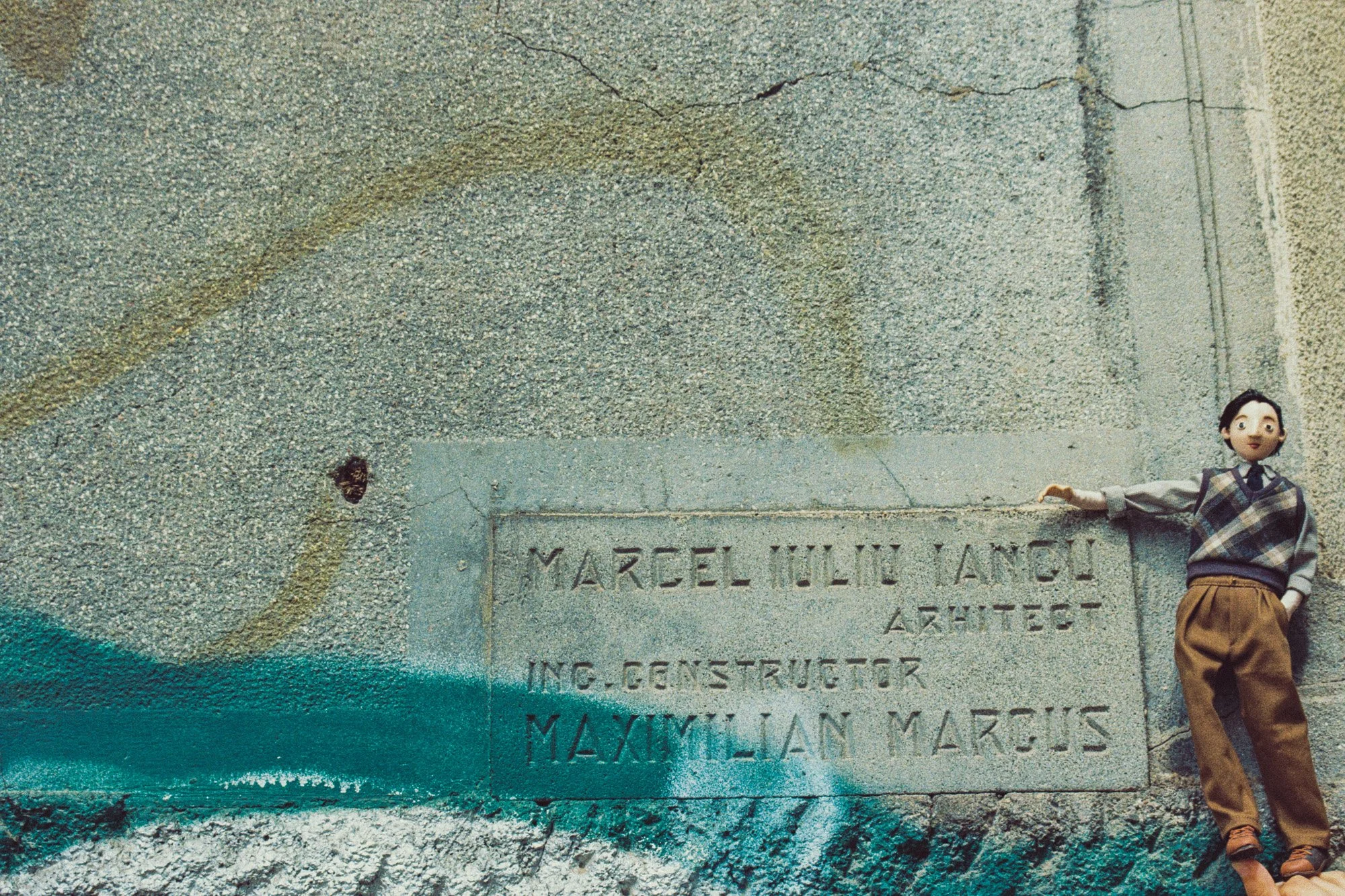
Name engraved on the Solly Gold Building on Hristo Botev Street
The Myth of the Solitary Genius and Collective Effort
As we walked and read the plaques on the facades, we had a realization. Many of them read "Marcel and Iuliu Iancu." Iuliu was his brother, also an architect, with whom he co-signed numerous works. Culturally, we have a deeply ingrained habit of attributing a masterpiece to a single author, a solitary genius. In reality, architecture is a team effort, a convergence of minds and shared labor. We relate to this deeply at Micul Haos, as the artworks produced in this project are achieved through the collaboration between the toy designer and the photographer, alongside a team that includes an architect, a curator, and a manager. This theme of creative partnership is fascinating, and we see it again with Horia Creangă, who worked for years also alongside his brother, as well as with architect Lucia Creangă, who was both his wife and professional partner.
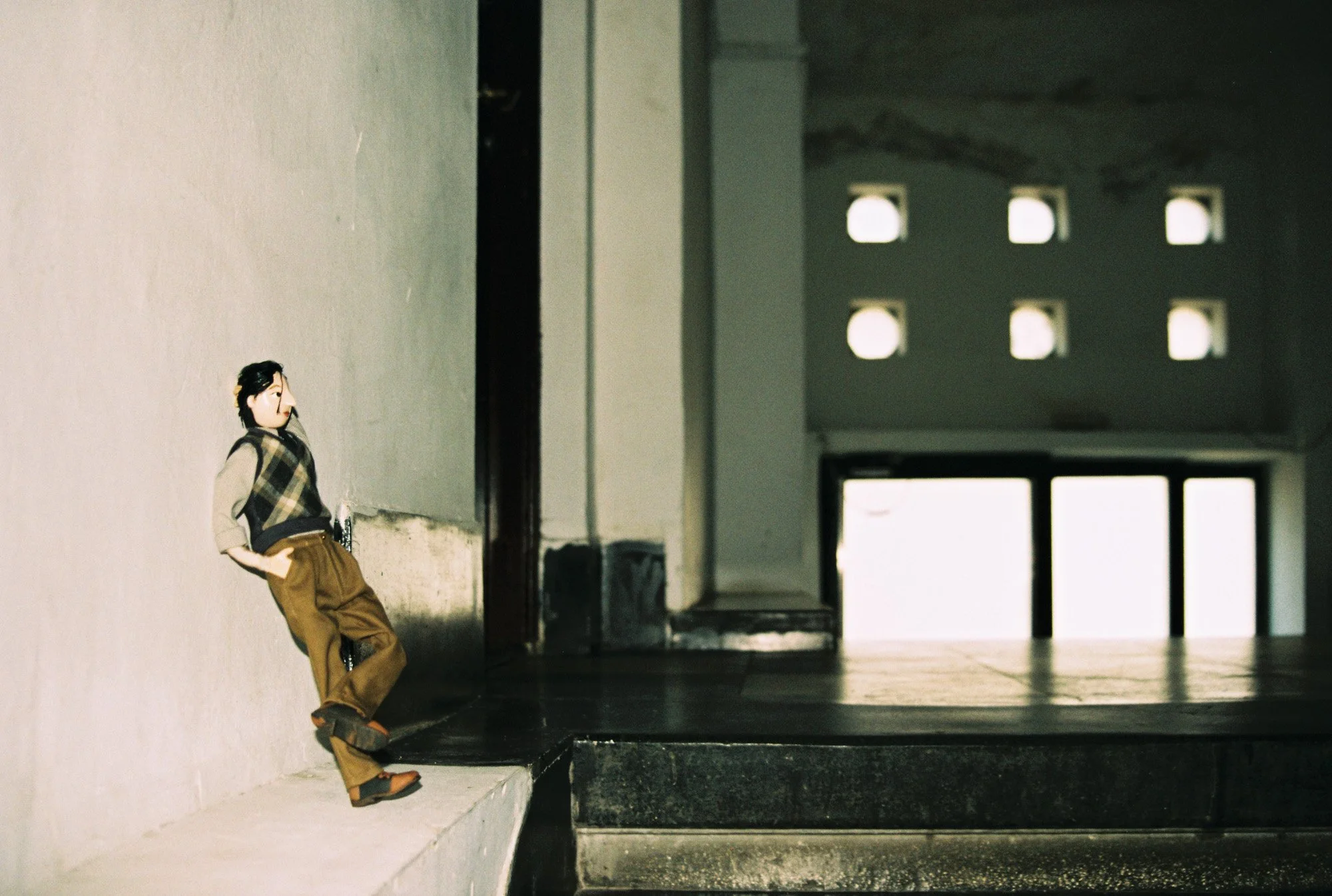
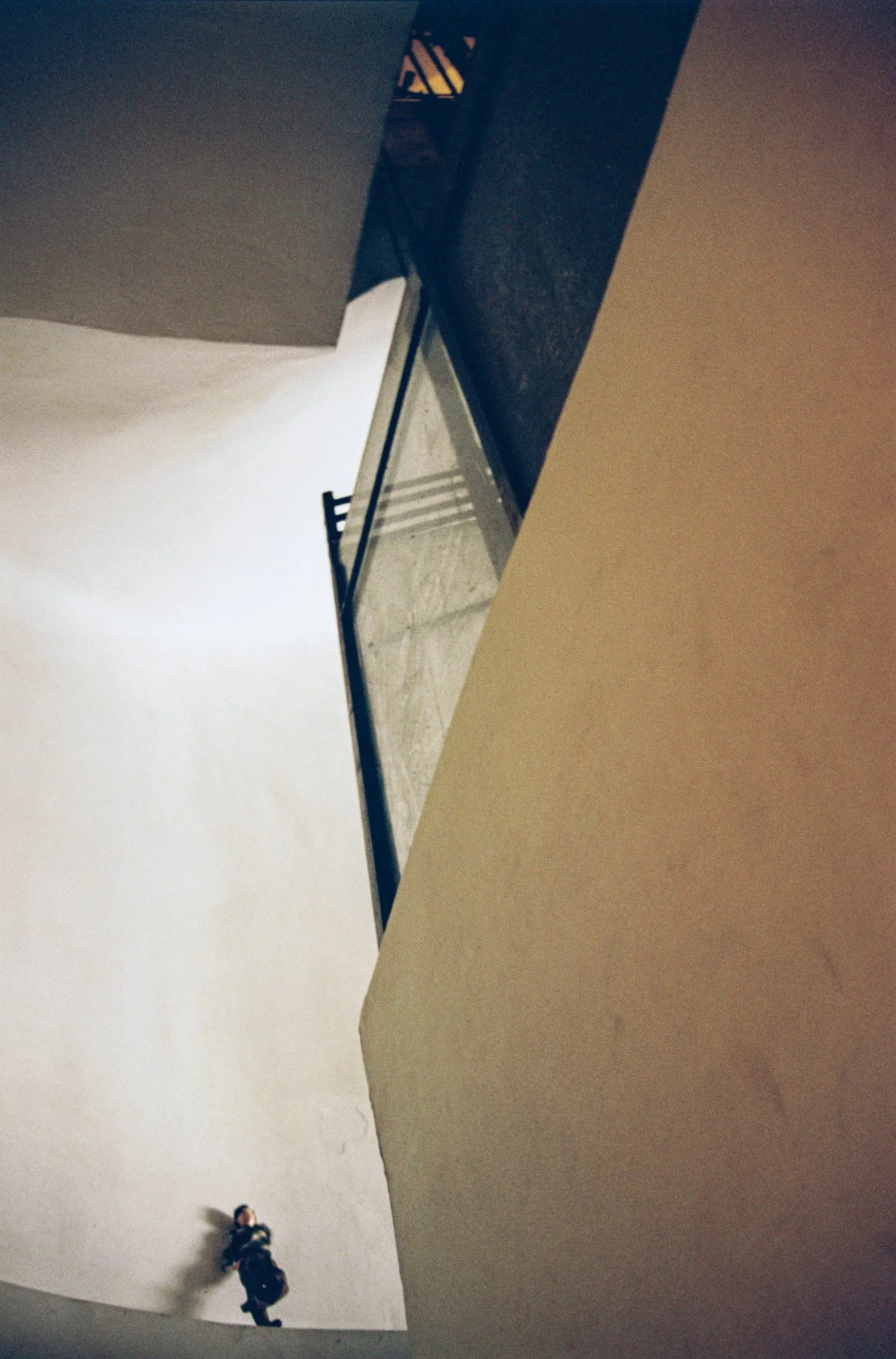
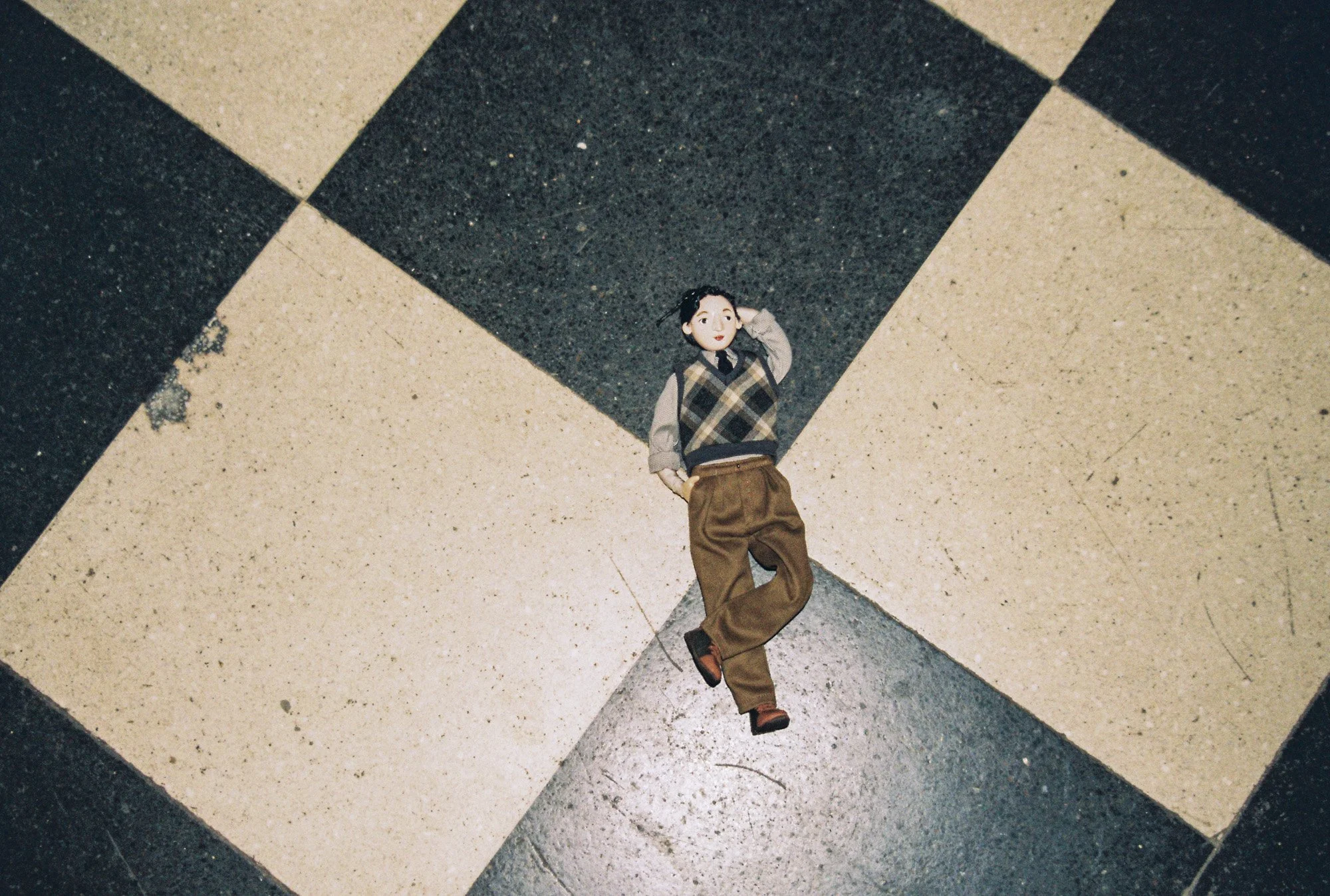
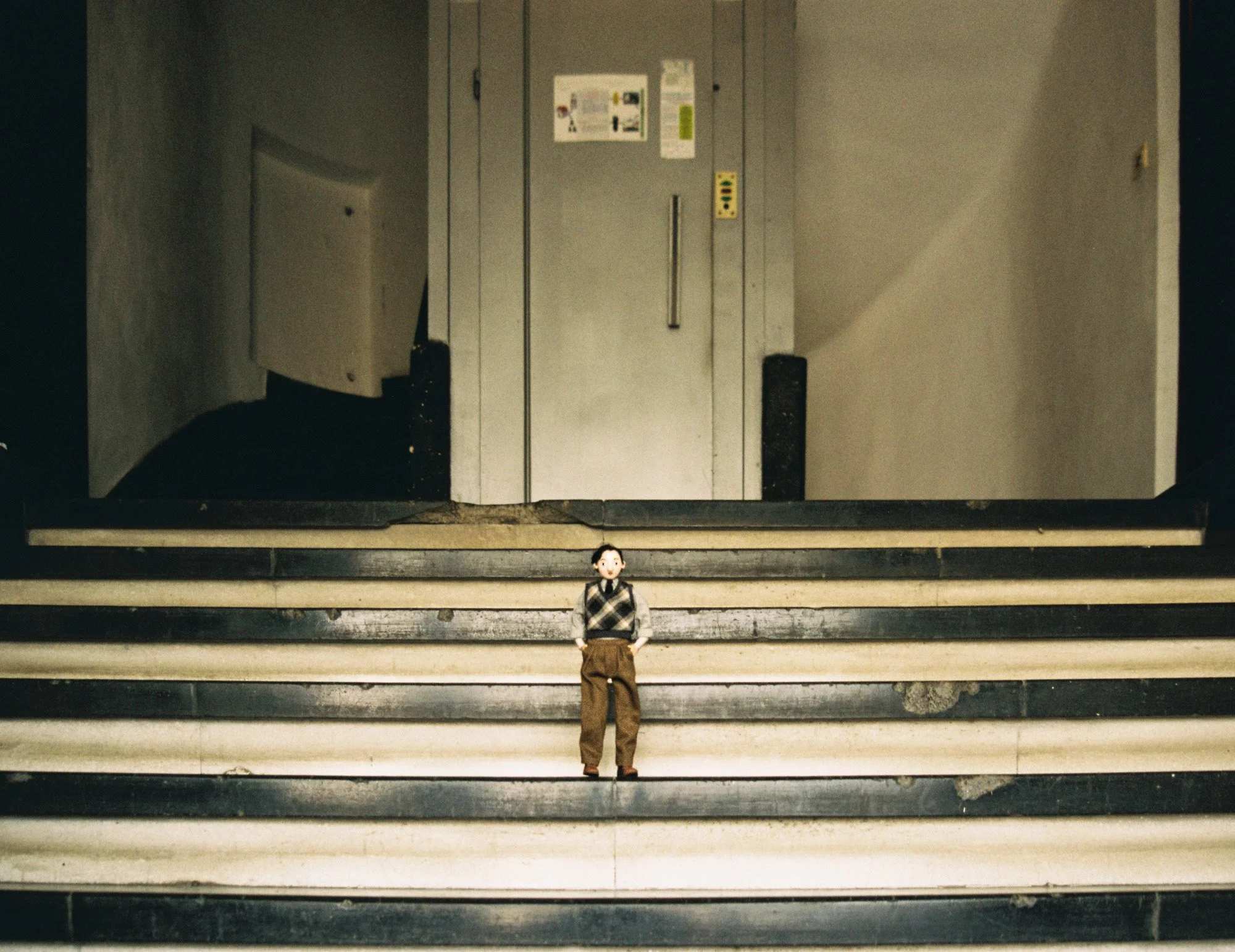
The Unpredictable Magic of Analog Photography
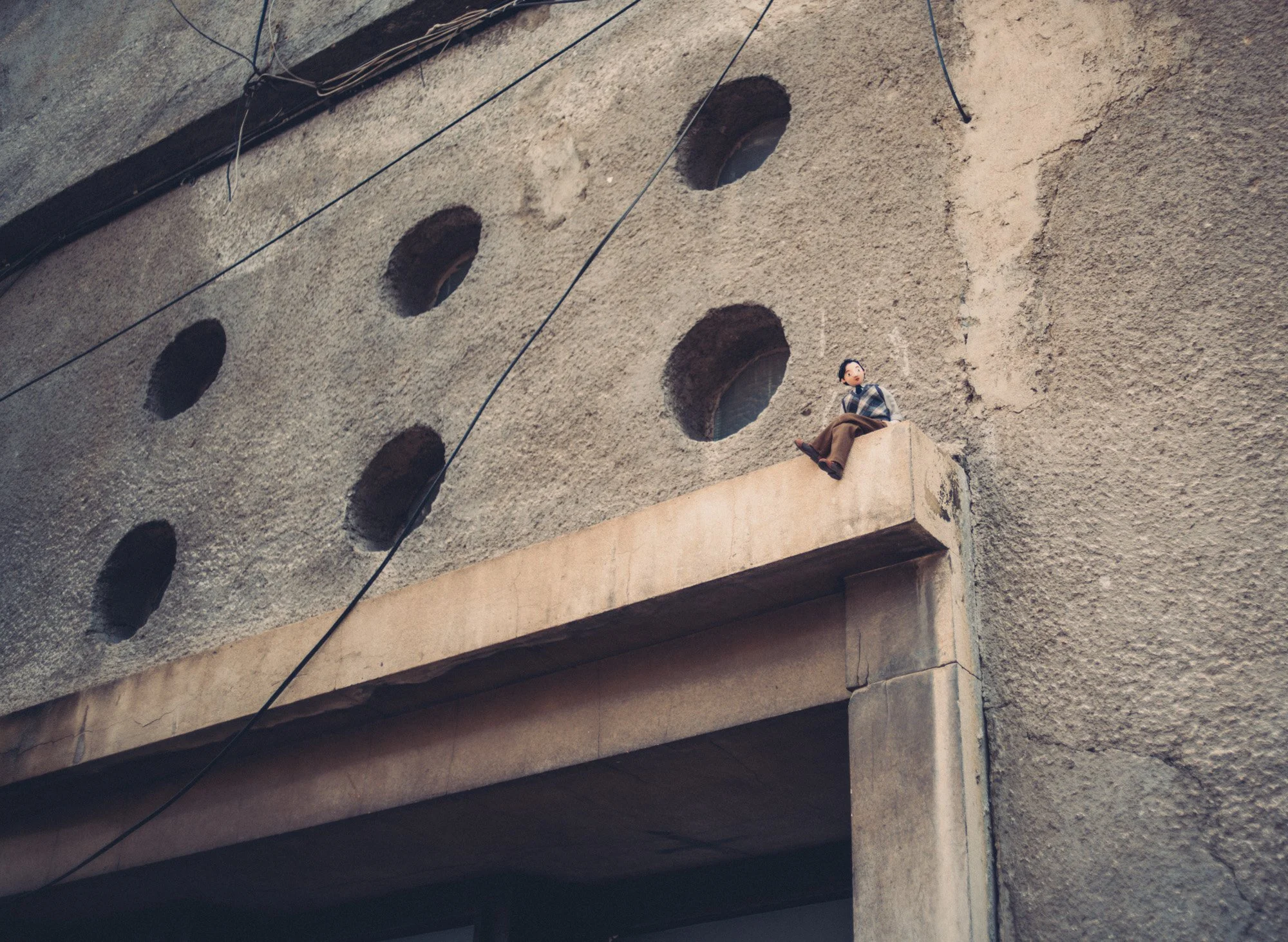
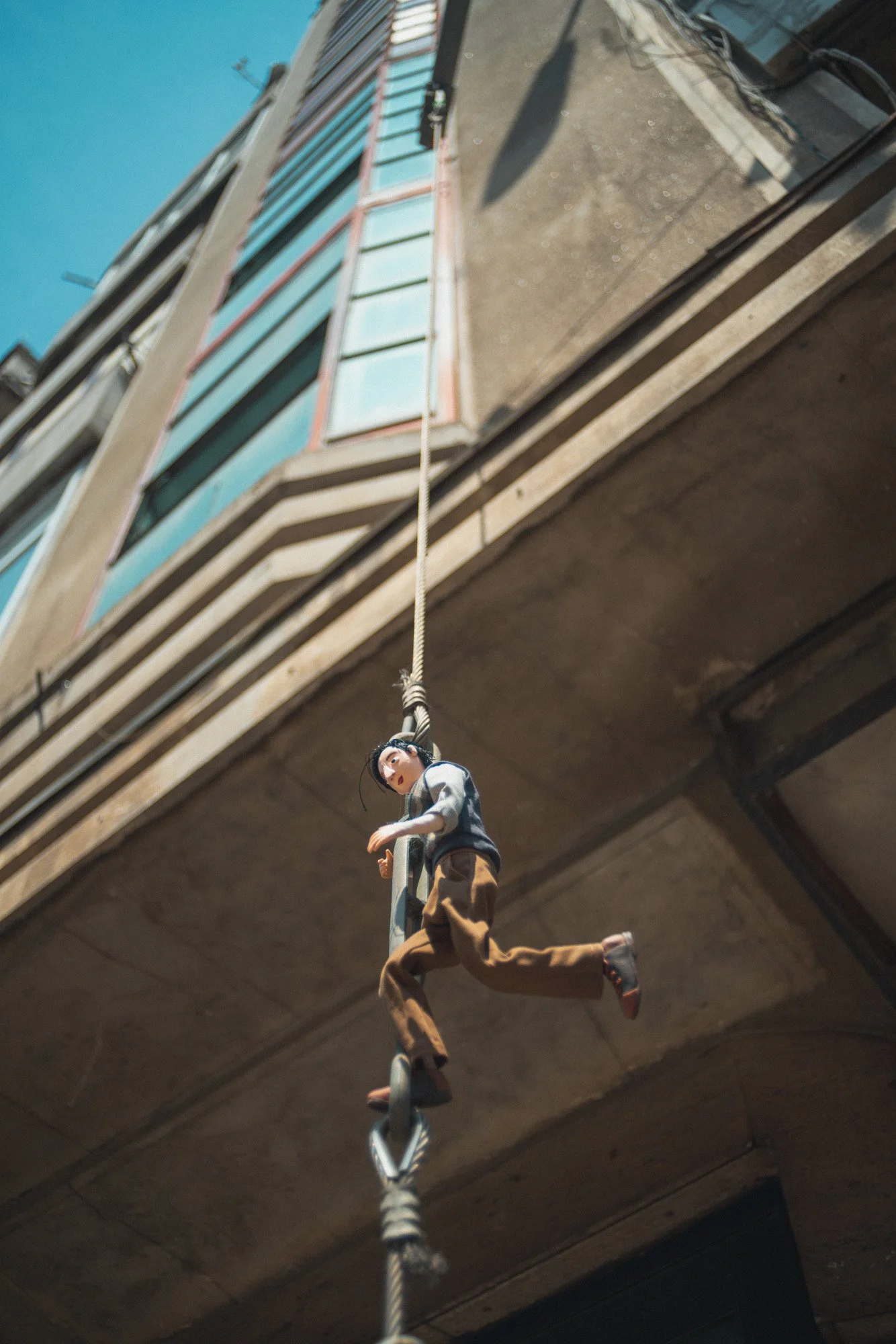
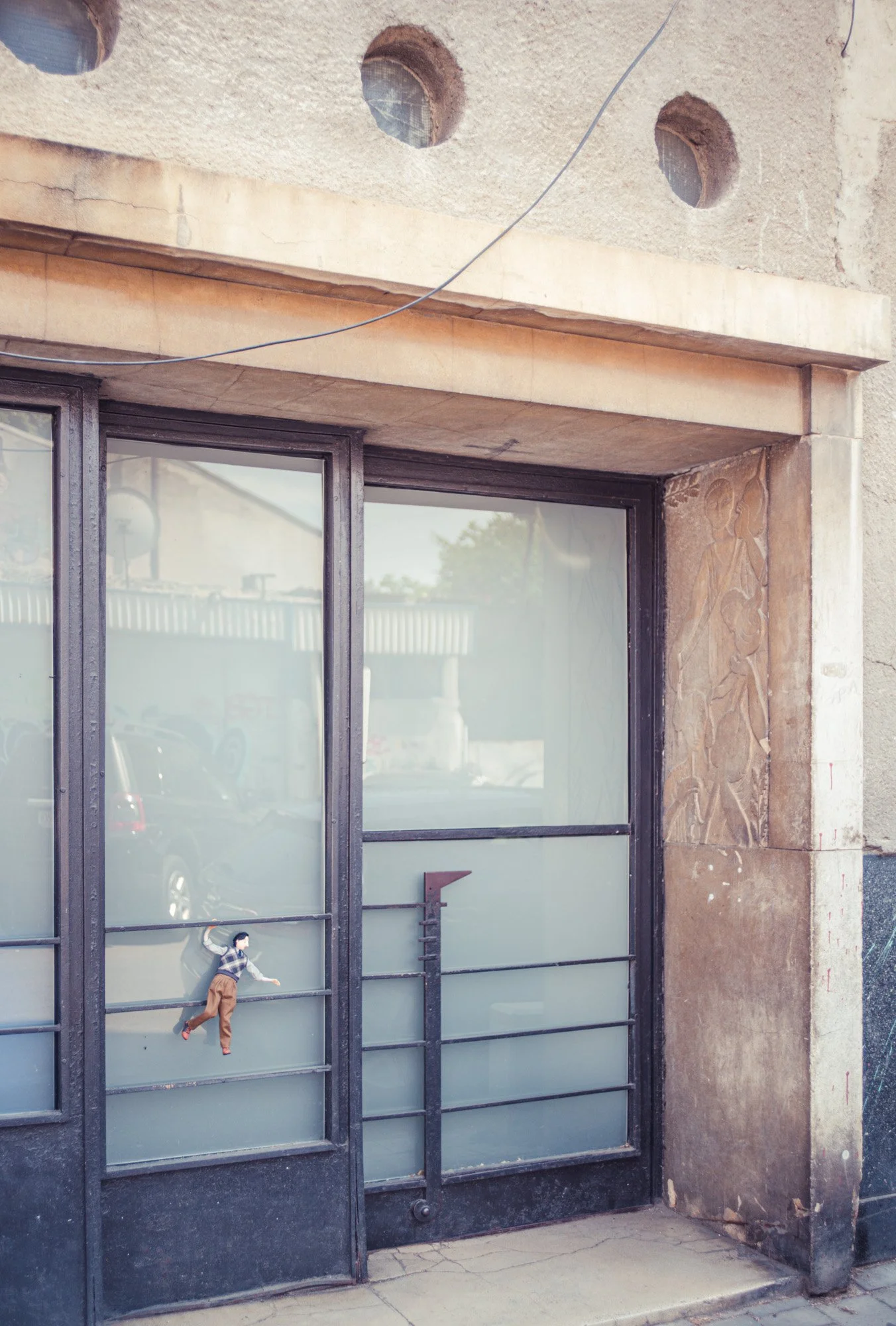
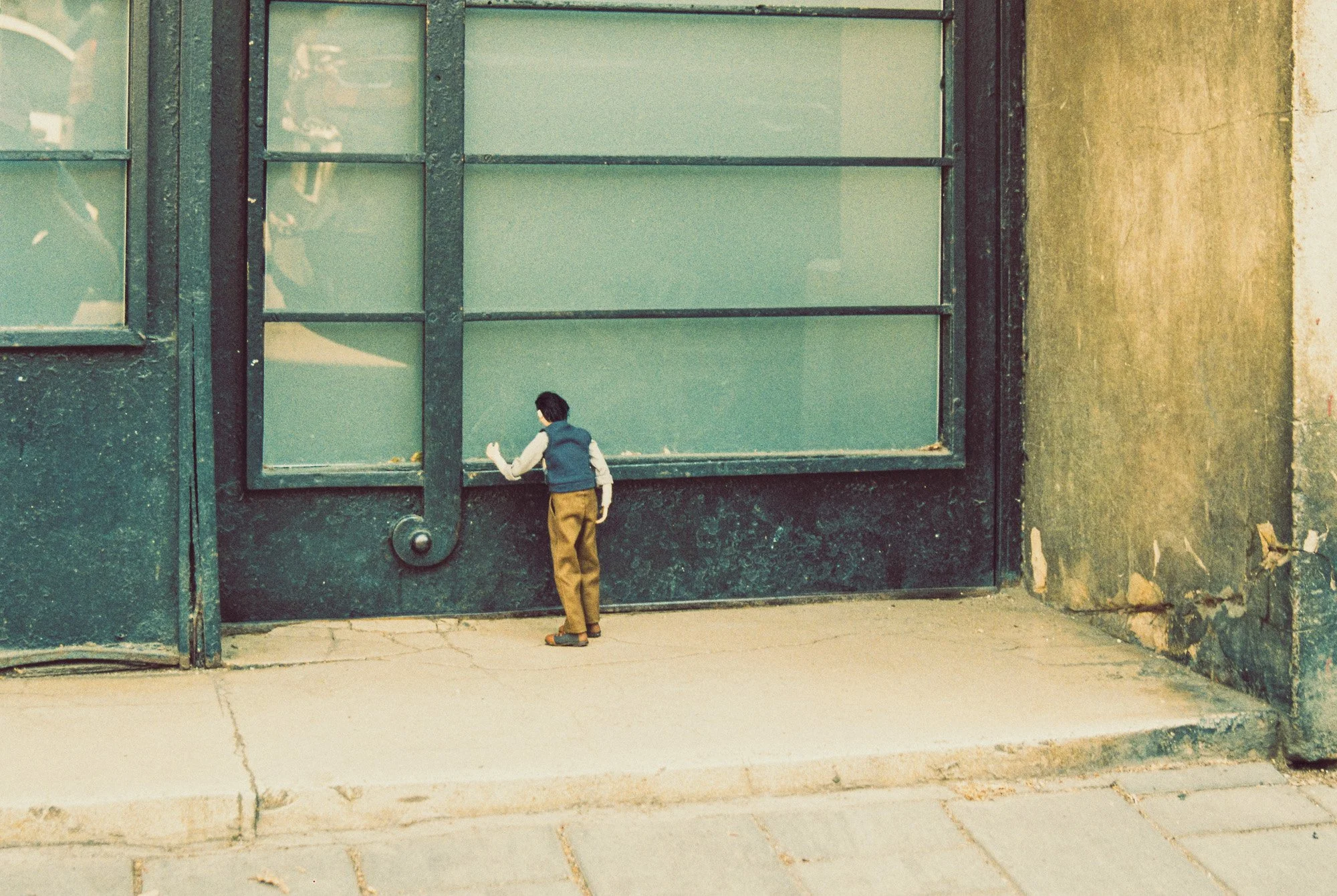
We are both photographing so we are working both analog and digital. Even though George has worked with analog film for over ten years, this medium still manages to be entirely surprising. Standard architectural photography is one thing, but the moment you try to capture the relationship between massive concrete frames and a small, delicate character, everything complicates: focus, grain, everything matters more. The perspective shifts drastically from what we see every day when we simply walk past these buildings.
We are constantly searching for ways to place the character in an active dialogue with the building and the surrounding space. There is a profound contrast between the soft, meticulously crafted texture of the character and the rigid, imposing texture of the concrete, and translating that tension into photography requires immense care. Shooting on film introduces a unique set of technical hurdles. We must balance exposure and clarity so that both the tiny character in the foreground and the monumental building in the background remain visible and sharp. We also have to embrace the texture and grain of the film, all while finding the right angle and the perfect spot to set up the shot without intruding on the daily lives of the people who actually reside in these spaces. It is a slow, deliberate dance between the toy, the architecture, the camera, and the city itself.
We are still exploring the streets of Bucharest these days, discovering new angles and hidden narratives, but we are also intensely preparing for our big upcoming trip through France.
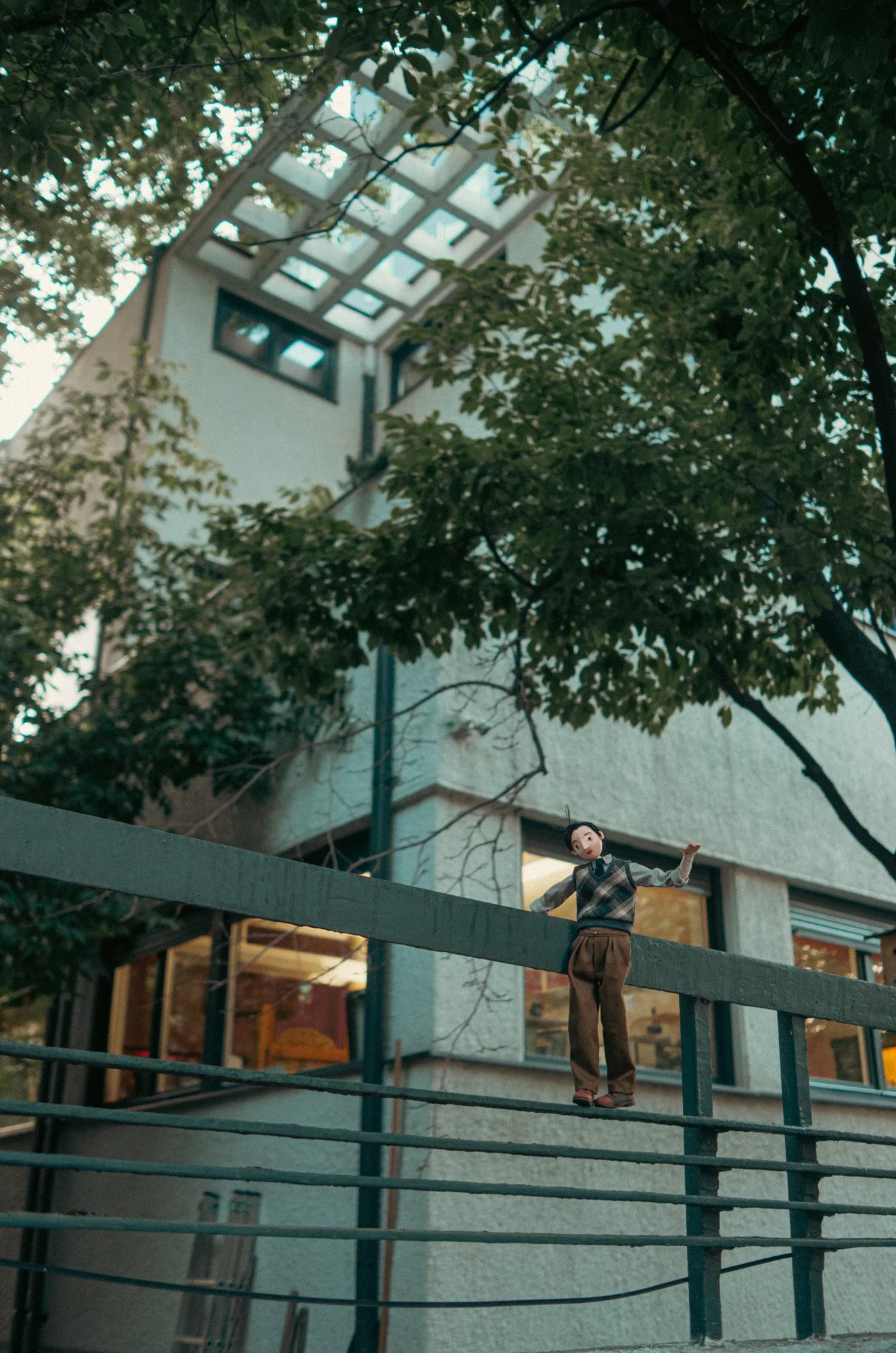
House on Dr. Grigore Mora Street
We are thrilled to continue this journey and share the results with you.
Keep playing,
Maria & the team